As AI energy demand soars, UF scientist seeks solutions in space
- UF engineers are sending photonic semiconductor chips to the International Space Station to test performance in harsh space conditions.
- The experiments are part of research to ease AI’s rapidly growing energy demands and find better places for data centers.
- With AI data centers consuming massive amounts of electricity, researchers believe space could offer an energy-efficient alternative.
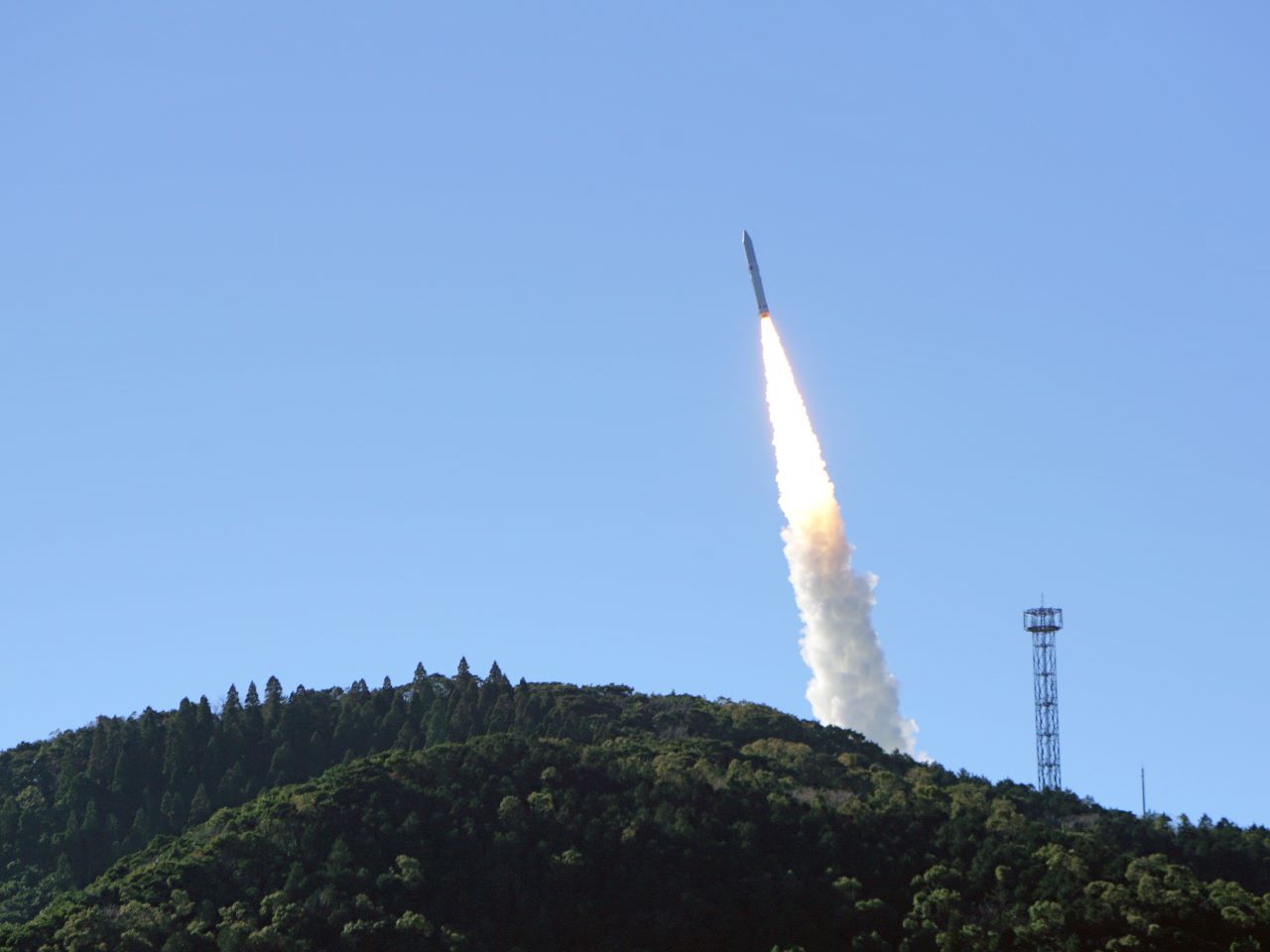
- You can watch the launch of SpaceX CRS-34 Mission here.
The breathless growth of artificial intelligence is straining energy grids. Some technology experts even forecast an “AI Winter" if energy demands exceed supply.
As scientists and tech firms scramble to find ways to power the AI revolution, one engineering researcher from the University of Florida is among the those looking up for a viable solution.
Way up.
“The sky is not the limit. Space is the limit,” said Volker Sorger, UF’s Walden and Paula Rhines Endowed Professor in Semiconductor Photonics in the Department of Electrical and Computer Engineering.
As the deputy director for Strategic Initiatives of UF’s Florida Semiconductor Institute (FSI) — as well as a 2009 European Space Agency astronaut finalist — Sorger contends the empty chill and ample real estate of space may make the best venue for energy-hungry, high-temperature data centers to power AI.
In fact, in a partnership with NASA, he and his team will send a second batch of photonic semiconductor chips to the International Space Station, or ISS, for more tests on how they perform in space. As of this writing, the SpaceX launch is scheduled for Friday, May 15 at 6: 05 p.m. from the Kennedy Space Center in Florida. Go to this SpaceX page for launch updates.
The idea: The more efficient we can build chips, the smaller and more efficient the space data centers that house them can be.

The experiments examine how chips perform in space, particularly in harsh conditions such as cosmic radiation. The chips are placed in spots outside the ISS, meaning they are directly exposed to the atmosphere. More resilient chips equal more resilient data centers.
“We love AI. We love IT technologies. We want more and more. But one of the problems is energy supply,” Sorger said. “The energy consumption of one data center is equivalent to one nuclear power plant — a big one. So that doesn't scale well.”
This year, the Morgan Stanley Institute, which analyzes complex global topics for financial decision-making, noted global power consumption is expected to rise by more than 1 trillion kilowatt-hours per year through 2030. It contends AI-driven data centers are fueling about one-fifth of that growth.
With AI computing demands, data centers will use about the same amount of electricity in 2030 as Japan does in a year, according to the International Energy Agency.
“So, yes, we need more AI. Now the question is, how many new data centers are we building? And the answer is roughly 80 to 100 in the next couple of years, which would mean we had to create 80 nuclear power plants,” Sorger said. “Good luck. It takes 10 or 20 years to build one.
“We're in a very desperate situation.”
The UF team will use photonic microchips, which use photons (light particles) instead of electrons to process, transmit and store information.
“The upsides for photonic chips include more tokens per second, higher energy efficiency and, with respect to space, a higher resiliency as compared to standard electronic chip approaches,” Volker said. “In space, those chips are exposed to cosmic radiation and atomic oxygen outside of the atmosphere.”
This is not the first time UF has placed payloads on spacecrafts for the sake of science. But this trip is another nod to UF as a leader in AI and semiconductor research. As of 2025, Florida ranked third in the United States for the number of semiconductor establishments (over 120 facilities) and fifth for semiconductor manufacturing employment, FSI reported.
The state is focused on gaining ground, and UF plans to be at the center of that momentum.
“Many people wonder what Florida’s role is in the global semiconductor industry. This work is a prime example,” FSI Director David Arnold said. “Florida has, is and will continue to be the semiconductor industry’s gateway to space.”
Go here watch the launch of SpaceX CRS-34 Mission.