UF News
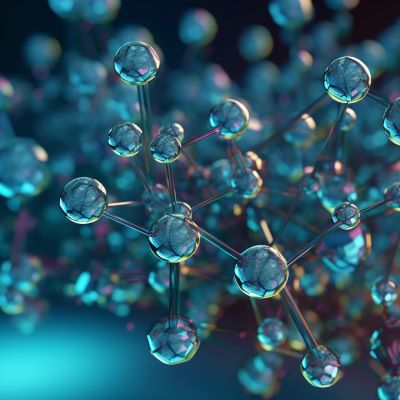
Oboro Labs, a UF startup, is commercializing a patented catalyst enabling the mass production of cyclic polymers discovered at a UF inorganic chemistry lab
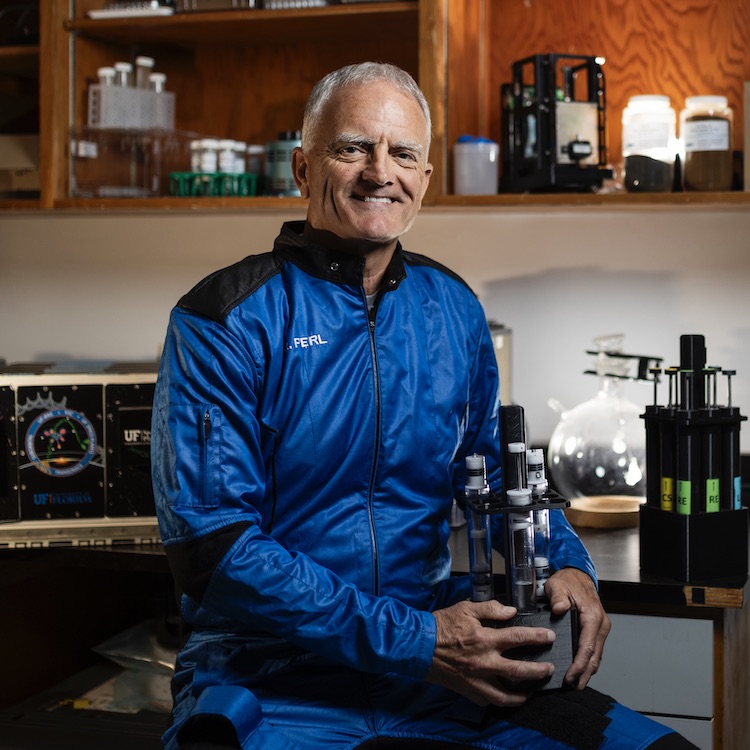
University of Florida Distinguished Professor Rob Ferl will be the first NASA-funded academic researcher to conduct an experiment as part of a commercial space crew on an upcoming mission of Blue Origin’s New Shepard rocket.
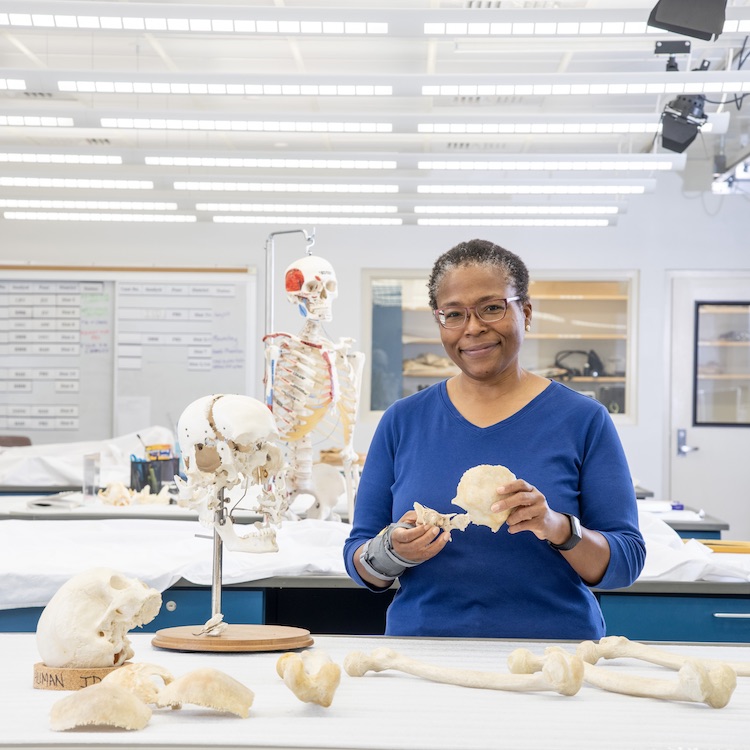
The American Association for the Advancement of Science (AAAS), the world’s largest general scientific society and publisher of the Science family of journals, has elected 12 faculty from the University of Florida to its newest class.
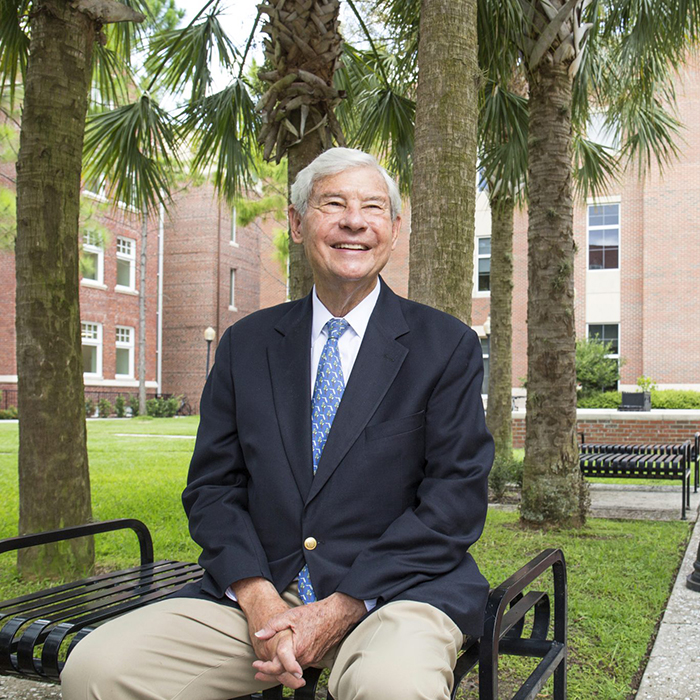
It's hard to imagine anyone leaving a more profound impact on the state of Florida than Daniel Robert 'Bob' Graham, whose influence is woven into the very fabric of our state.
More News from UF

This Earth Day, the College of Liberal Arts and Sciences reflects on research paving the way for positive change
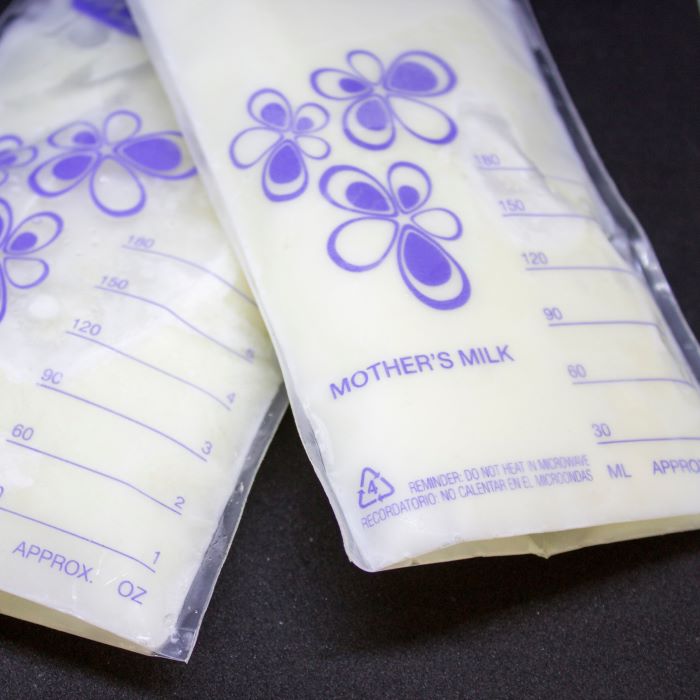
Expanded coverage could save lives and save taxpayer money
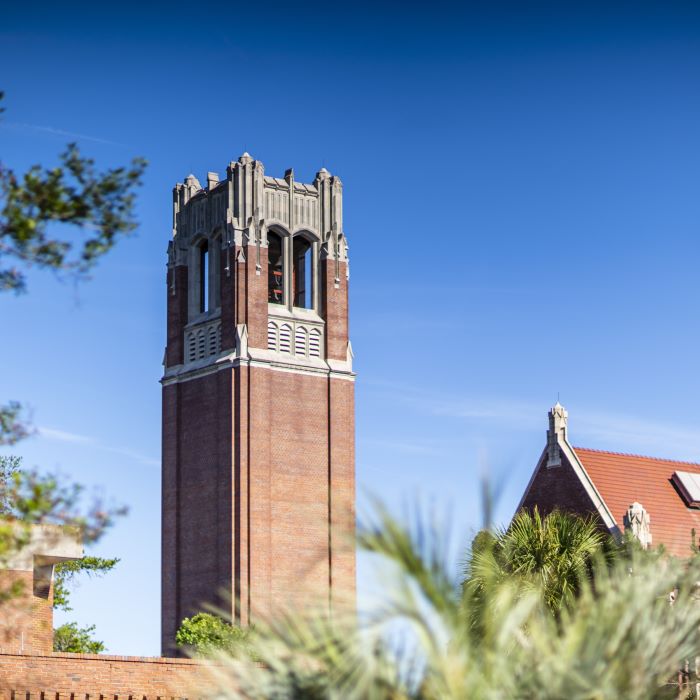
The department also secured the top spot on research over the past five years.
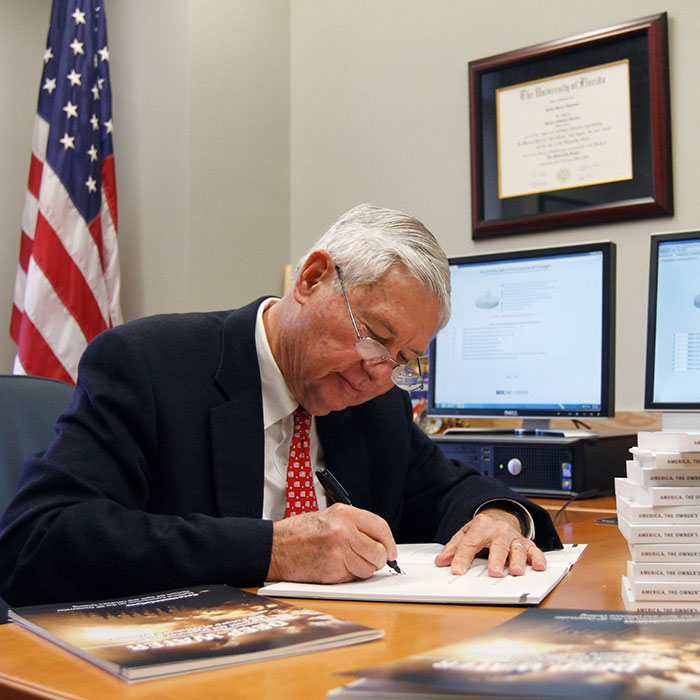
Celebrating Daniel R. ‘Bob’ Graham's life in pictures. As first a state legislator, then governor, and finally as a three-term U.S. Senator, Graham had a role in nearly every major public policy issue in modern Florida’s history.
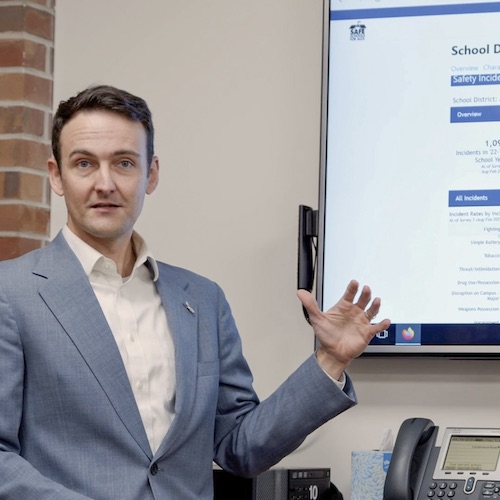
The most comprehensive school safety dashboard in the country is now available, thanks to a collaboration between the University of Florida and Safe Schools For Alex.
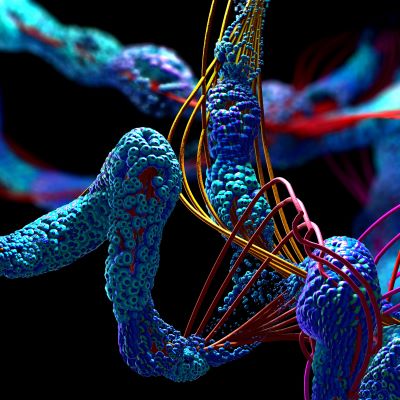
UF-led developments using AI in chemical biology could unlock new types of disease treatments
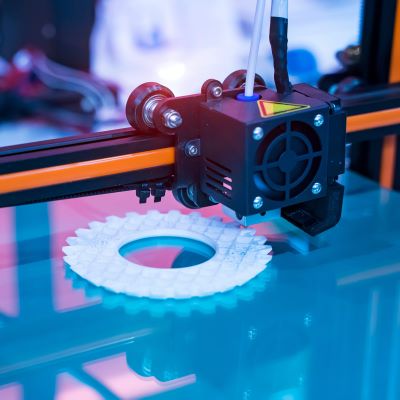
A team of scientists led by UF engineering researchers has unveiled a method for 3D printing that will help advance the world of additive manufacturing
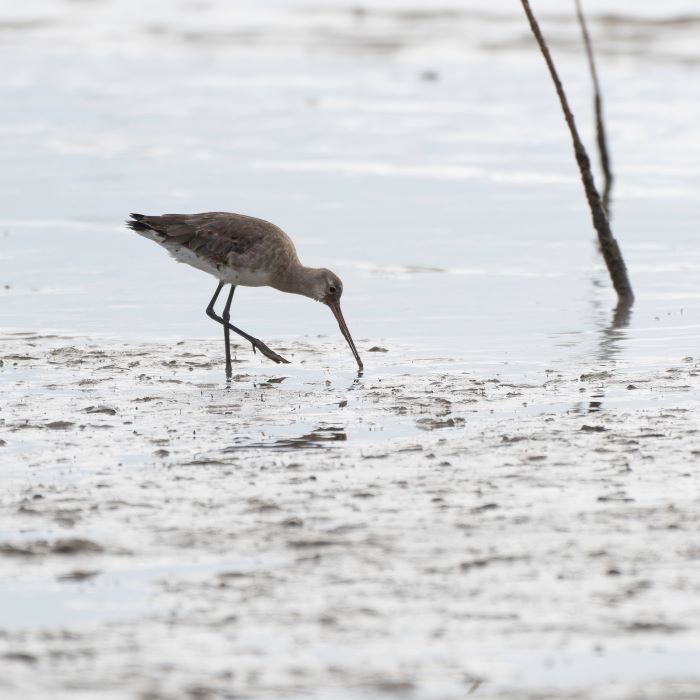
Mud-trapped carbon tells us about past and current climate shifts